
Buildings face different stresses as weather conditions shift throughout the year, which can expose damage that remained difficult to detect during milder periods. Sustained rain may reveal a leak, while strong wind can make an already vulnerable exterior component more noticeable. Recognizing how seasonal weather impacts building repairs gives property owners a useful context for interpreting those changes and deciding when a building deserves closer attention.
Weather can influence repair conditions as well as the damage owners observe. Contractors may encounter wet surfaces, unstable ground, or conditions that limit safe exterior work during certain periods. Paying attention to changes around the building gives owners useful information to share when a contractor evaluates the structure.
Wet Weather Can Reveal Existing Problems
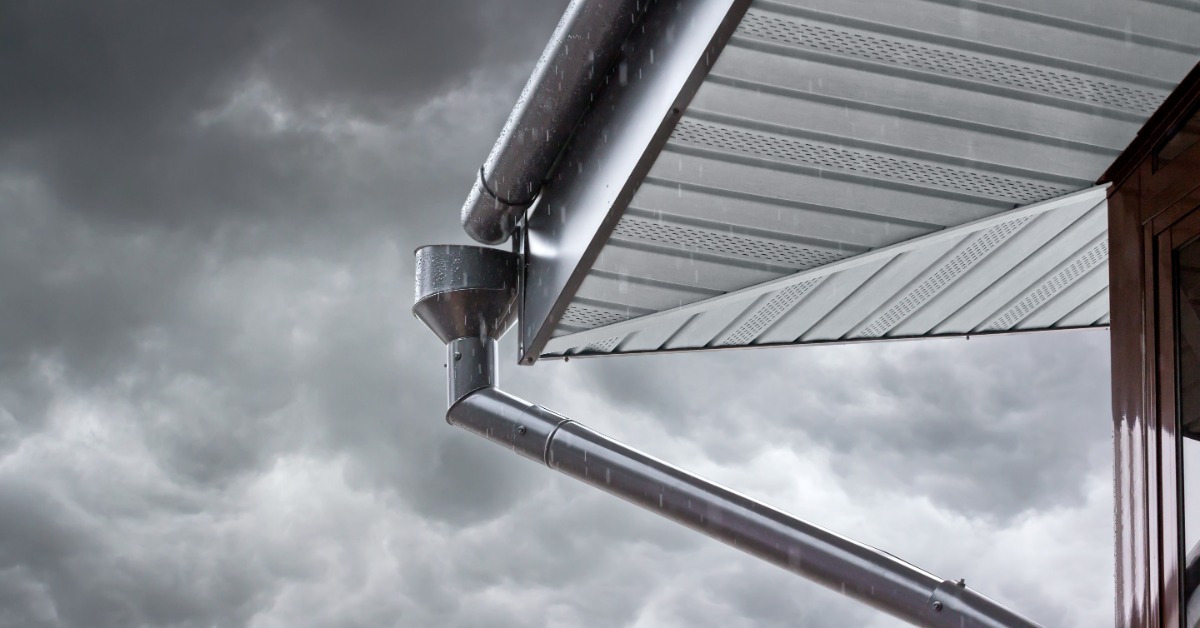
Periods of sustained rain can make certain building problems easier to detect because water may expose openings that remain unnoticed during dry weather. Moisture entering around damaged roofing or exterior openings can leave visible evidence inside the structure. Drainage problems near the building may create another source of unwanted water.
Once moisture enters, the visible evidence may appear some distance from the original opening. Water can travel along building components before reaching an area where owners notice a stain, drip, or damp surface.
Recording where moisture appears gives a contractor useful context during an evaluation. Owners can note whether the problem develops during steady rain or appears only under more severe conditions without attempting to trace the source themselves.
Strong Winds Can Expose Vulnerable Exterior Areas
When strong winds place additional pressure on a building exterior, loose or damaged components may move or separate further. A vulnerable panel or piece of trim can become more noticeable after a storm even when the underlying problem developed earlier.
Owners can inspect the building from the ground after a period of high winds and look for visible changes. A new opening or displaced material may indicate that the exterior needs professional attention, particularly when the affected area could allow water into the structure.
Wind can therefore expose conditions that deserve evaluation before another storm reaches the property. A contractor can examine the affected area and determine whether the visible change reflects isolated damage or a broader repair need.
Temperature Shifts Change Working Conditions

Seasonal temperature changes affect the environment contractors encounter when they inspect or repair exterior building components. Frost and ice can make exposed surfaces unsafe to access, while extreme heat may limit how long crews can work on certain areas safely.
Temperature can affect repair materials as well, since manufacturers may specify acceptable conditions for applying particular products. Contractors can account for those requirements when planning the work and determine whether current conditions support the repair. Property owners can still request an evaluation when temperatures are unfavorable, so the contractor can assess the concern and determine the appropriate next steps.
Storms Can Change an Existing Building Concern
Damage that appears stable during mild weather may respond differently when a storm places new pressure on the affected area. An existing opening may allow more water during heavy rain, while loose exterior material can move further when wind increases.
Owners who already know about a problem can watch for visible changes after severe weather passes. Comparing the condition before and after a storm may reveal whether the affected area has changed enough to warrant another evaluation.
That comparison gives the contractor more context about how the building responds to weather. It does not require the owner to determine the severity of the damage or decide which repair should come first.
Ground Conditions Can Affect Access for Repair Work
Conditions around a building can influence how contractors reach the repair area. Saturated soil may not provide suitable support for equipment, and accumulated snow can restrict access to portions of the property.
Exterior repairs sometimes require crews to position equipment near the structure, making stable access an important part of planning the work. A contractor may need to consider where equipment can travel and whether the surrounding ground can support the required setup.
Property owners can contribute useful information by identifying areas where water collects or access becomes difficult during certain seasons. Familiarity with the property can give the contractor a clearer picture of conditions that may affect the work area.
Favorable Weather Can Create Better Repair Windows
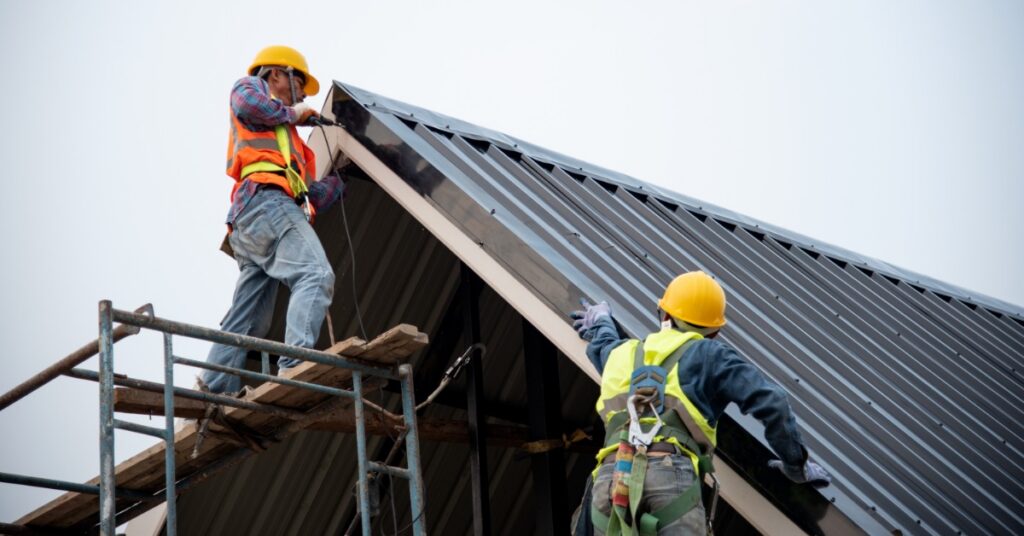
When exterior work does not require an immediate response, periods of favorable weather can provide more workable conditions. Dry surfaces can give contractors better access to affected areas and reduce interruptions once repair work begins.
Waiting for favorable conditions does not make sense when damage leaves the building exposed to continued water entry or another immediate concern. The condition of the structure still determines whether the repair can accommodate scheduling flexibility.
For less immediate work, contractors can consider the forecast alongside the requirements of the repair. Connecting the schedule to actual site conditions creates a more practical approach than choosing a date based only on the season.
Seasonal Changes Can Make Inspections More Informative
Transitions between seasons can reveal patterns that remain difficult to recognize during stable weather. An owner may notice moisture when sustained rain returns after a dry period or identify an exterior change after the first major wind event of the season.
Observations made during these transitions can give contractors valuable information about when a problem appears. Photos taken safely from the ground can document visible changes and provide a reference if conditions look different by the time an inspection occurs.
During an evaluation for building repairs, a contractor can compare those observations with the condition of the affected components. That context can clarify whether changing weather exposed an existing problem or contributed to additional damage.
Forecasts Can Influence Active Repair Work
Once contractors determine the repair scope, upcoming weather can influence how they organize exterior work. Rain may interrupt projects that require dry surfaces, while high winds can create unsafe conditions for work involving exposed materials or elevated equipment.
Forecast changes may require contractors to adjust the sequence or timing of certain tasks without changing the underlying repair need. Because exterior building work takes place in conditions crews cannot control, the project schedule may need enough flexibility to accommodate unexpected weather while maintaining appropriate working conditions.
Plan Building Repairs With Seasonal Conditions in Mind
Changes in weather can give property owners useful information about problems that may not remain visible throughout the year. Paying attention to how seasonal weather impacts repairs can make it easier to explain when damage appears, how conditions affect the building, and whether a known concern has changed. Seasonal conditions may influence access or the timing of exterior work as well, so the need for an evaluation does not always determine when crews can complete the repair.
ABCO Contractors can evaluate damaged pole, steel, and stick-framed buildings to determine what repair work the structure requires. Sharing details about when a problem appears and how it responds to changing conditions gives the contractor useful context during the evaluation. From there, the repair plan can account for the condition of the building and the working conditions surrounding the project.