
Commercial building damage can affect daily operations well beyond the area that needs attention, especially when employees or equipment occupy nearby spaces. Property owners may need to adjust access or coordinate schedules while contractors complete the work. Knowing what to expect during a commercial building repair makes those decisions easier because the process follows a progression from identifying the problem to restoring the affected area.
Although contractors can establish a repair plan before work begins, conditions inside walls or beneath exterior materials may not become visible until crews gain access to them. Building owners should expect the scope to become more precise as contractors examine the structure directly. Following each stage of the process provides a clearer picture of why certain decisions occur and how they affect the work ahead.
The Initial Assessment Defines the Problem
Before contractors can develop an appropriate repair plan, they need to determine where the damage begins and whether it extends beyond the visible area. A damaged panel may represent an isolated problem, for example, while staining or deterioration nearby could indicate a condition that reaches farther into the building. Examining adjacent components allows the contractor to define the problem based on physical evidence.
Property owners can add useful context by explaining when they first noticed the damage and whether its appearance has changed. Previous repair records may provide another source of information when the same area has required attention before. Contractors can combine the building’s history with their observations to establish a more informed starting point for the project.
Contractors Develop the Repair Scope
After assessing the affected area, contractors translate their findings into a plan that identifies the work necessary to address the damage. Each proposed repair should connect to a condition found during the assessment, giving the owner a clearer basis for reviewing the project before physical work begins. The scope may account for adjoining components when the repair requires crews to remove or temporarily alter them for access.

Project planning should address how the work will interact with normal building activity as well. Discussing access restrictions before crews arrive gives property owners time to adjust operations without making last-minute changes around an active work zone. Contractors can then organize the sequence around the building’s conditions and the practical needs of the property.
Site Preparation Creates a Workable Repair Area
Once the owner and contractor establish the scope, crews need adequate space to reach the repair area and perform the work safely. Existing operations can affect where contractors position equipment or stage materials, particularly when the building remains in use throughout the project. Coordinating those needs before active repair work begins reduces conflicts between construction activity and normal operations.
Preparation may require temporary changes to how employees move through part of the property or where equipment remains during working hours. Contractors should communicate the boundaries of the work area so building owners can make appropriate arrangements before crews occupy the space. Clear site organization gives the repair team room to work without extending disruption beyond the areas the project requires.
Opening the Damaged Area May Change the Scope
Even a thorough initial assessment cannot reveal every condition hidden behind roofing, siding, or other finished surfaces. Once crews remove damaged materials, they gain a direct view of components that the exterior previously concealed. Water intrusion or structural deterioration may extend beyond the area visible during the first inspection, which can require additional evaluation before repair work continues.
When crews uncover a new problem, contractors should determine whether it changes the work necessary to restore the affected area. Building owners then need a clear explanation of what the crew found and how the condition affects the original plan. Addressing newly visible damage at this stage prevents contractors from closing the area while an unresolved problem remains behind the finished surface.
Crews Address the Source Before Rebuilding
After contractors expose the full repair area, the sequence of work should reflect the underlying cause of the damage. Replacing a damaged component has limited value when an unresolved leak continues to introduce moisture into the same location. Correcting the source first gives subsequent repair work a sound basis and reduces the chance that the original condition will immediately affect replacement materials.
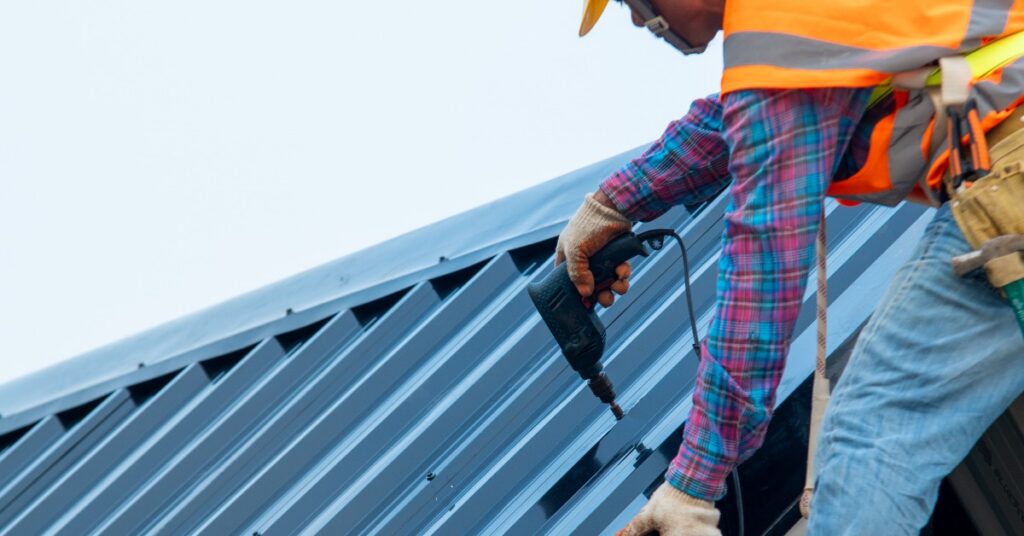
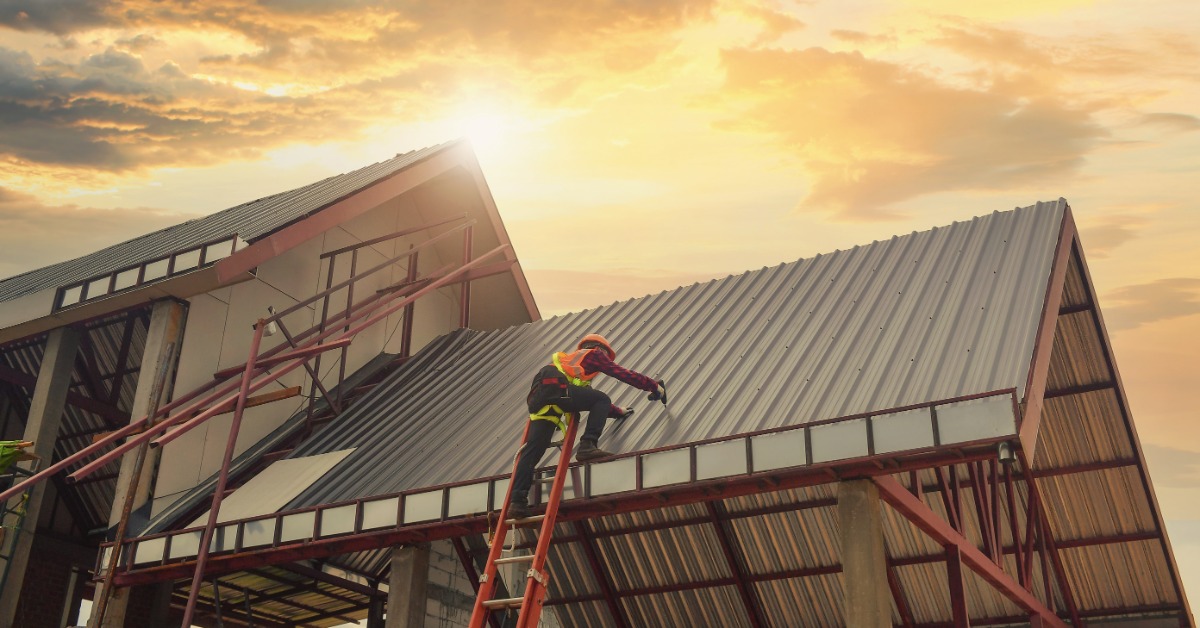
The sequence becomes particularly important during a commercial metal building repair because exterior panels and structural components connect with surrounding portions of the building. Crews need to preserve those connections as they remove damaged material and integrate replacement components. Careful execution keeps the repair focused on restoring the affected area without creating weaknesses along its boundaries.
Progress Updates Address Decisions That Affect Operations
As physical work moves forward, property owners need information when construction activity changes access or affects normal use of the building. Contractors can provide updates when the repair reaches a new phase or when field conditions alter the planned sequence. Timely communication gives owners enough information to adjust internal operations without requiring them to interpret construction progress independently.
Useful updates should focus on decisions that require the owner’s attention. A routine phase of work may not need extensive discussion, while newly exposed damage or a change in site access deserves direct communication. Keeping updates tied to actual project developments prevents routine information from obscuring issues that require a response.
Final Review Verifies the Completed Work
As crews finish the physical repair, contractors should compare the completed area with the established scope and examine how the repaired components function within the surrounding structure. The review gives the contractor an opportunity to identify remaining work connected to the project before removing equipment from the site. Building owners can use the same stage to raise questions about the repaired area or clarify maintenance considerations.
Project documentation can provide a useful reference after crews leave, particularly if the owner needs to evaluate the same area in the future. Records of completed work create context for later inspections without requiring someone to reconstruct the project from memory. A clear closeout marks the transition from active construction back to normal building use.
Moving Forward After a Commercial Building Repair
Knowing what to expect from a commercial building repair gives property owners a practical way to follow the work from the first assessment through final review. Contractors begin by defining the damage, then use field conditions to guide the repair sequence as crews gain direct access to the affected area. When hidden conditions emerge, clear communication allows the owner and contractor to address the actual problem without losing sight of the project’s purpose.
A well-managed process should leave the owner with a clear record of what contractors addressed and how the completed work relates to the surrounding building. Owners who know what each stage accomplishes can coordinate operations more effectively while crews work on the property. If your commercial building needs attention, contact ABCO Contractors to discuss the damage and request an estimate for the repair work your property requires.